


.svg)


Why Efficient Cooling Is Becoming Essential in the Middle East
As temperatures continue to rise across the Middle East, the need for cooling is growing quickly. Air conditioning is essential for homes, businesses, and cities, but it also uses a large amount of energy.
To reduce energy use and support sustainability, many countries are investing in cooling efficiency and district energy systems. These solutions help buildings stay cool while using less electricity, lowering costs, and reducing pressure on power grids. As the region continues to grow, smarter cooling systems are becoming an important part of building a more sustainable future.
Why Cooling Matters in the Middle East
The Middle East is home to some of the hottest climates in the world, with summer temperatures often reaching above 45°C (113°F). Because of this, cooling is no longer considered a luxury. It is a necessity.
However, traditional cooling systems consume large amounts of electricity. During peak summer months, cooling can account for more than half of a country’s electricity demand. This creates challenges such as:
- Higher energy costs
- Increased pressure on power grids
- Greater carbon emissions
- More demand for power infrastructure
As cities continue to grow, the region needs more efficient and sustainable ways to stay cool.

What Is Cooling Efficiency?
Cooling efficiency refers to using technology and smart design to reduce the amount of energy needed to cool buildings while still maintaining comfort.
Some common cooling efficiency solutions include:
- High-efficiency HVAC systems
- Smart thermostats and controls
- Better insulation and windows
- Energy-efficient chillers
- Smart building management systems
- AI-powered energy monitoring
These technologies help buildings use less electricity, lower operating costs, and reduce environmental impact.
What Are District Energy Systems?
One of the most effective solutions gaining popularity in the Middle East is district cooling, which is part of a larger district energy system.
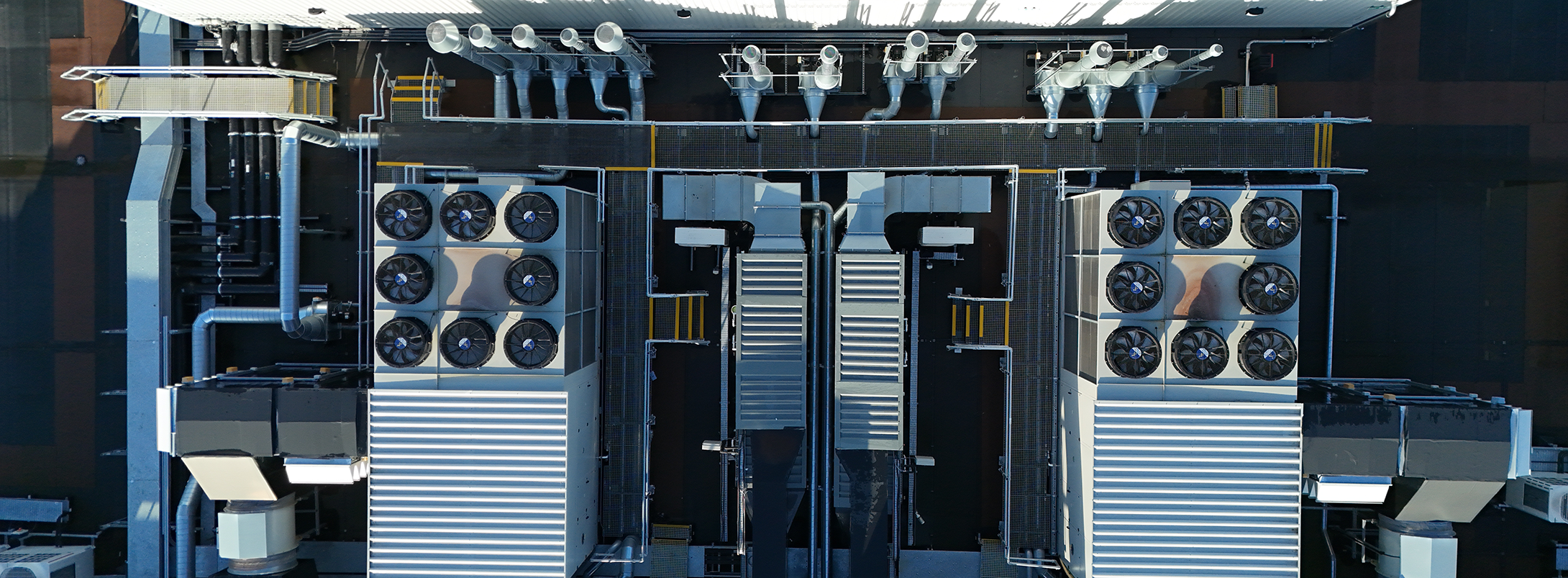
Instead of each building using its own air-conditioning system, district cooling works by producing chilled water at a central cooling plant. The chilled water is then distributed through underground pipes to multiple buildings in a district or community.
This approach allows many buildings to share one efficient cooling system.
District cooling is commonly used in:
- Business districts
- Residential communities
- Airports
- Hospitals
- Universities
- Large mixed-use developments
- Smart cities
Benefits of District Cooling
Lower Energy Consumption
District cooling systems are much more energy efficient than traditional cooling systems. They can reduce electricity consumption by up to 50% in some developments.
This helps:
- Lower energy bills
- Reduce electricity demand
- Improve overall energy efficiency

Reduced Pressure on Power Grids
Cooling demand usually peaks during the hottest times of the day. District cooling helps reduce pressure on power grids by managing cooling demand more efficiently.
Some systems also use thermal energy storage, allowing cooling to be produced during off-peak hours and stored for later use.

Lower Carbon Emissions
Because district cooling uses less electricity, it also helps reduce carbon emissions. This supports national sustainability and net-zero goals across the region.
Many Middle Eastern countries are now including efficient cooling solutions as part of their climate and clean energy strategies.

Better Urban Planning
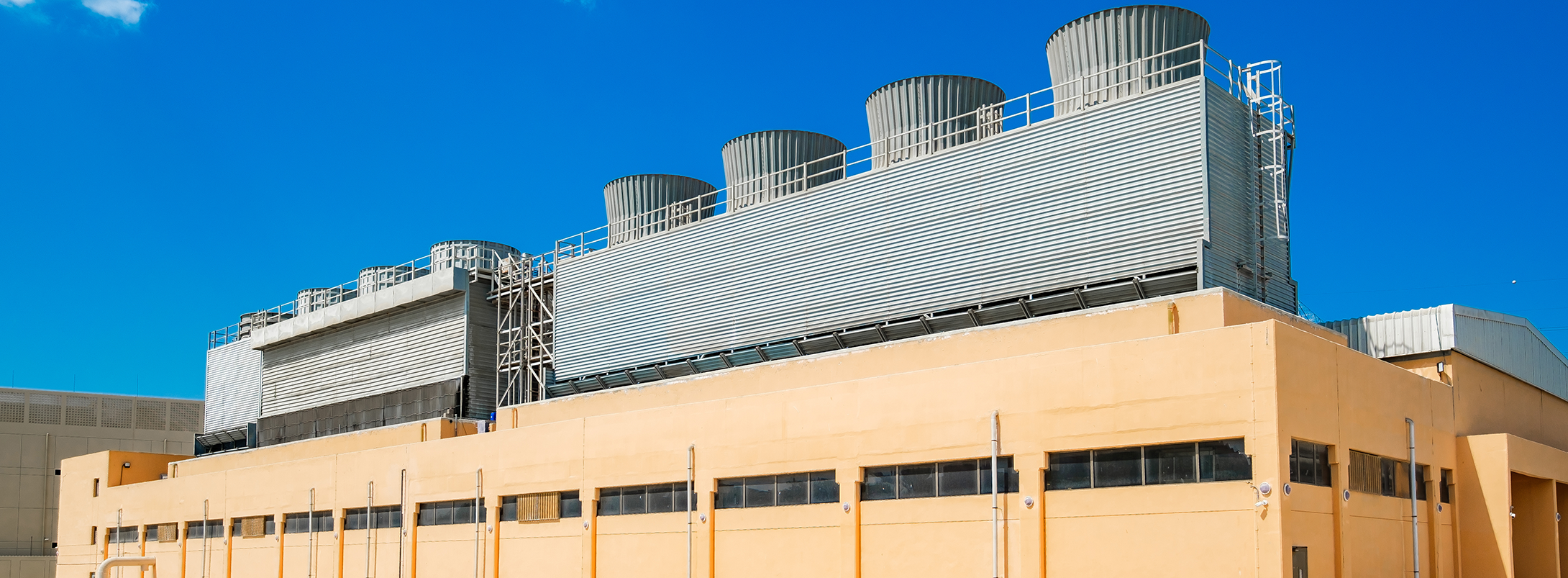
District energy systems support cleaner and more organized city development by reducing the need for large cooling equipment on every building.
Benefits include:
- Less rooftop equipment
- Reduced maintenance
- Longer equipment lifespan
- Improved reliability
- More efficient land use
Countries Leading the Way
United Arab Emirates (UAE)
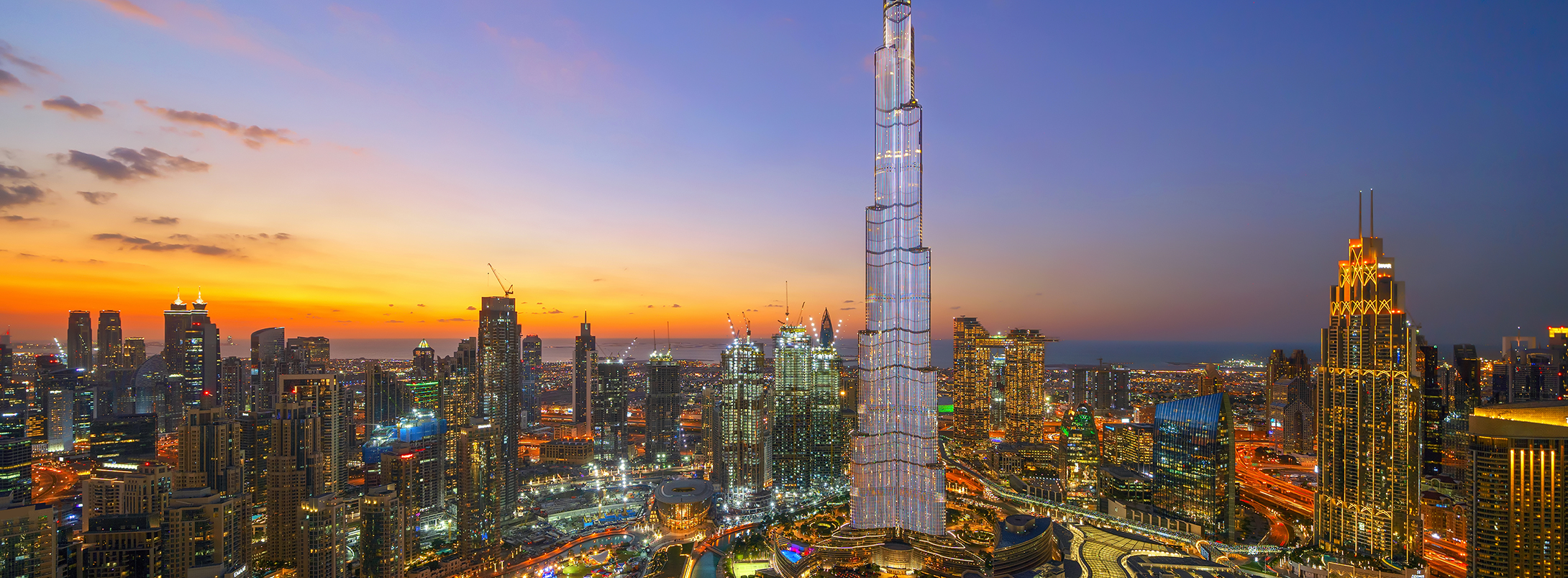
The UAE is one of the global leaders in district cooling. Cities such as Dubai have invested heavily in efficient cooling systems to support rapid urban development and sustainability goals.
District cooling is widely used in areas such as:
- Downtown Dubai
- Dubai Marina
- Palm Jumeirah
- Expo City Dubai
Saudi Arabia
Saudi Arabia is integrating cooling efficiency into major Vision 2030 projects, including:
- NEOM
- The Line
- Red Sea Global
- Qiddiya
These mega-projects are being designed with smart and sustainable infrastructure from the start.

Qatar
Qatar has also expanded district cooling systems to support urban growth and large-scale developments, especially following infrastructure investments linked to the FIFA World Cup.
.png)
The Role of Smart Technology
Modern cooling systems are becoming smarter through the use of:
- Artificial intelligence (AI)
- IoT sensors
- Predictive maintenance
- Digital monitoring systems
- Smart building controls
These technologies help operators:
- Track energy use in real time
- Improve system performance
- Reduce waste
- Predict maintenance needs
- Lower operational costs
AI-driven cooling systems are expected to play a major role in the future of smart cities across the Middle East.
.png)
Challenges Ahead of Efficient Cooling
Although district cooling offers many benefits, there are still challenges to overcome.
High Upfront Costs
Building centralized cooling infrastructure requires significant investment in:
- Cooling plants
- Underground piping
- Smart technology systems
.png)
Planning and Regulations
District cooling works best when cities plan for it early in the development process. Successful implementation requires coordination between developers, governments, and utility providers.
.png)
Skilled Workforce Needs
Advanced cooling systems require trained engineers and technical specialists to manage operations and maintenance effectively.
.png)
The Future of Cooling in the Middle East
As temperatures continue to rise and cities continue to grow, cooling demand in the Middle East is expected to increase significantly in the coming years.
Future trends will likely include:
- AI-powered cooling optimization
- Renewable energy integration
- Smart grid connectivity
- Thermal energy storage
- Low-carbon refrigerants
- Net-zero district developments
The region is increasingly becoming a global leader in sustainable cooling innovation.
.png)
Final Thoughts about Efficient Cooling
Cooling is one of the Middle East’s biggest energy challenges, but it is also creating new opportunities for innovation and sustainable development.
As the Middle East continues to grow and face rising temperatures, cooling efficiency and district energy systems are becoming key solutions for reducing energy use, lowering emissions, and building more sustainable cities.
This focus on energy efficiency aligns with the mission of Synergy Companies. Through our no-cost energy efficiency programs, eligible residents and property owners can access energy-saving upgrades that improve comfort, reduce utility costs, and support a more sustainable future.
By participating in these programs, communities can take simple but meaningful steps toward saving energy and creating a cleaner, more energy-efficient future for everyone.
.png)


